
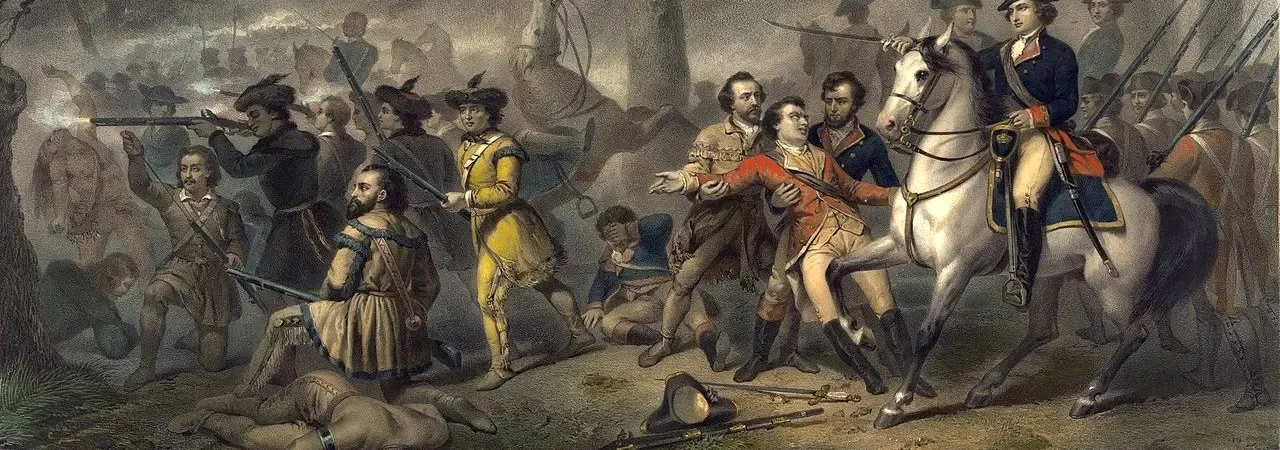
France and Allies V.S. British Colonial Command
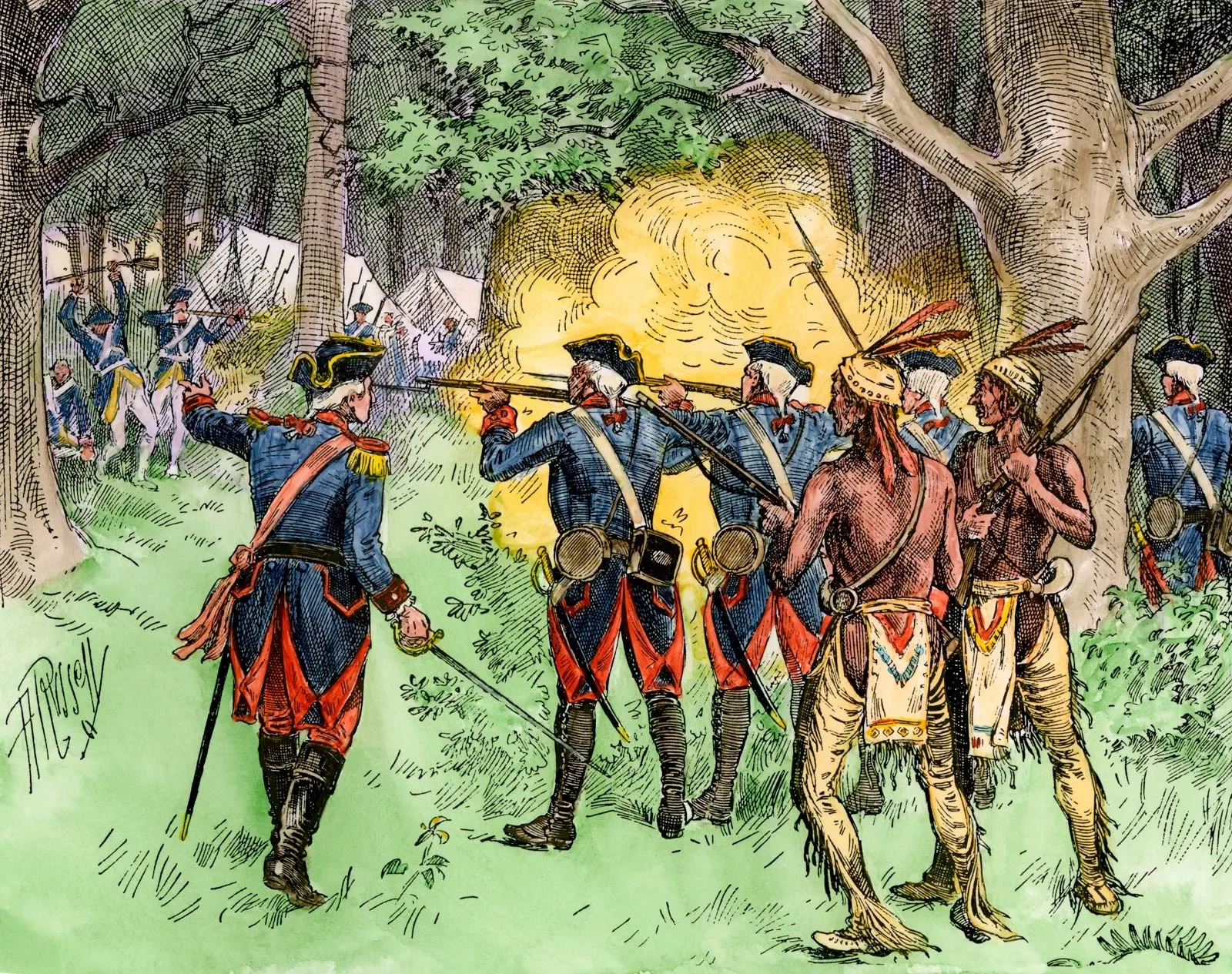
France and it’s native allies
Delegates on the French side will represent officials of New France, military commanders, and leaders of allied Native nations such as the Wyandot, Odawa, and Abenaki. New France controls a huge territory but has a small population to defend it. Its strength comes from its chain of forts along the rivers and from its relationships with Native nations, which are built on trade and diplomacy, not settlement. Those alliances are not guaranteed. Native leaders have their own interests and will support whichever side protects their land and trade. Delegates will have to hold the Ohio Valley, keep their allies loyal, and stop British expansion while being badly outnumbered.
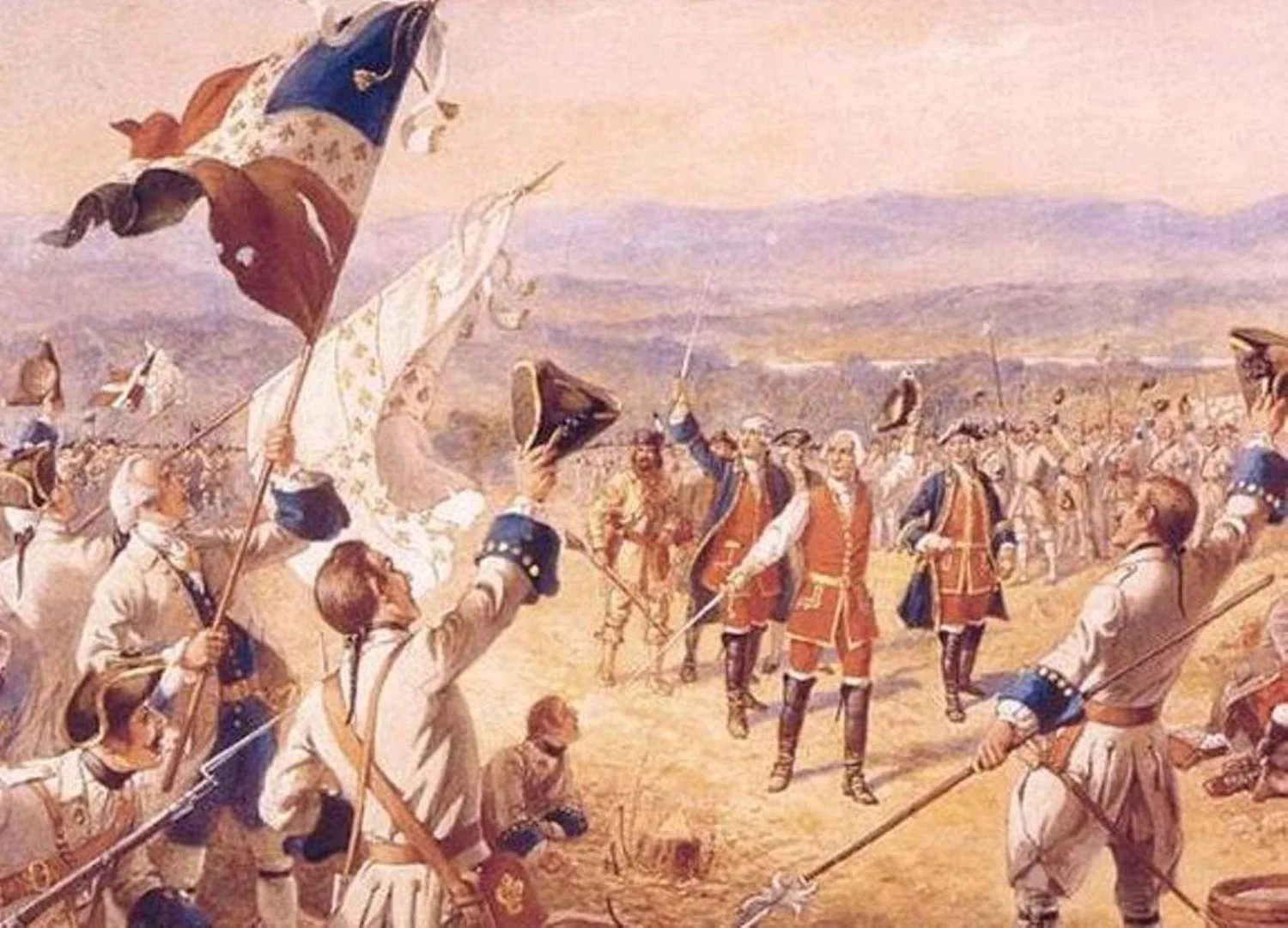
British colonial command
Delegates on the British side will represent colonial governors, military officers, and figures like Benjamin Franklin, who are meeting at the Albany Congress to decide how the colonies should respond. On paper, Britain has every advantage. It has far more colonists than New France, and it has stronger trade networks and the Royal Navy. The problem is that the colonies rarely agree on anything. Each one guards its own money, militia, and land claims, and London is slow to send help. Delegates will have to find ways to get the colonies working together, win over the Iroquois Confederacy, and decide how much force to use without starting a war they can't control.
Flow of debate
Crisis style
Each side will act as it’s own crisis-style committee, passing directives to their respective backrooms
Directive overlap
Actions in the British command committee will impact the flow of the French side, and vice versa.
Compromise
Through this committee we hope that delegate learn how to navigate heavy opposition and meet a common goal.