
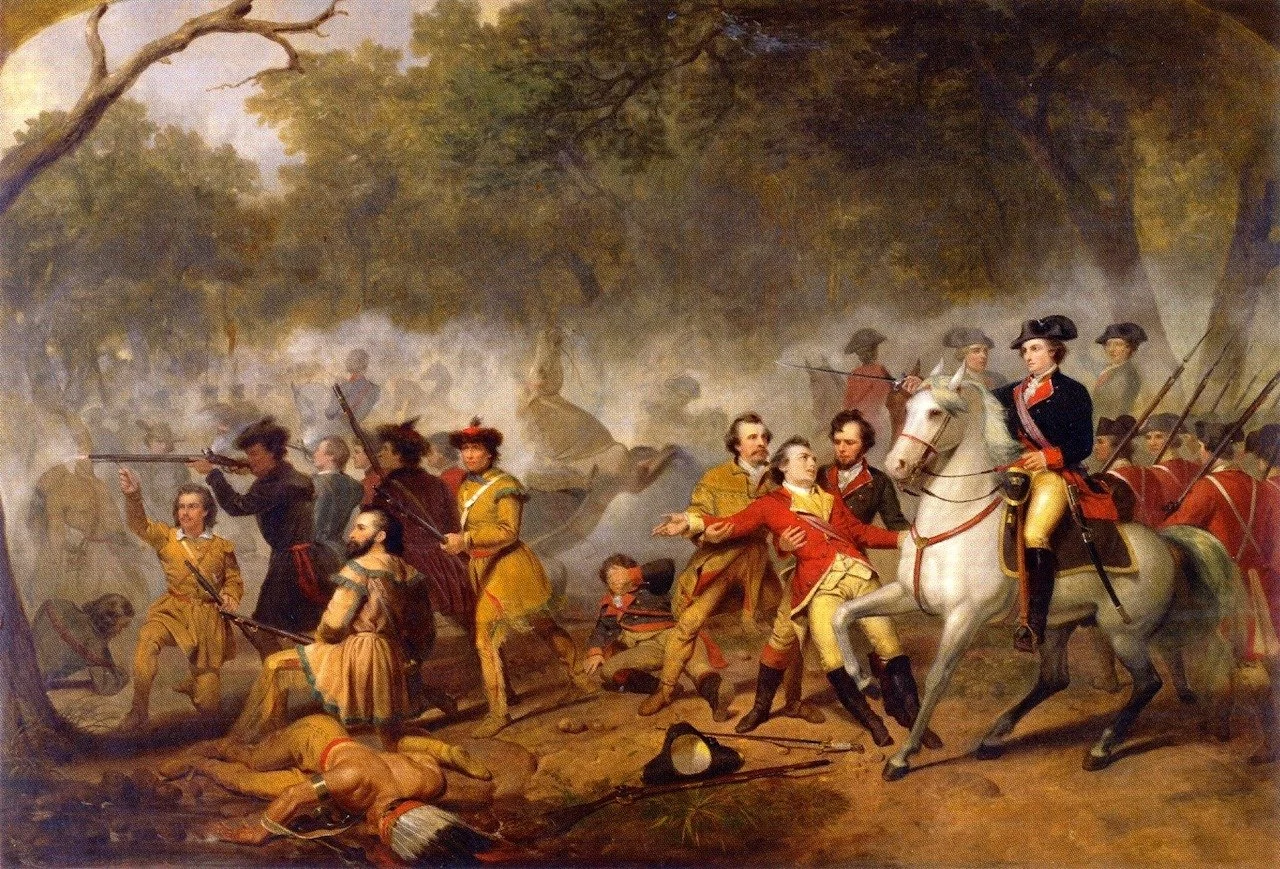
The French and Indian War
Committee direction
Both committees will respond to the same events as they happen. Forts may fall, Native nations may change sides, supply lines may break down, and other powers such as Spain may get involved. Every decision made in one room will affect the other. Delegates should be ready to negotiate, take risks, and deal with the consequences of choices that historical leaders never had to make.
Background and synopsis:
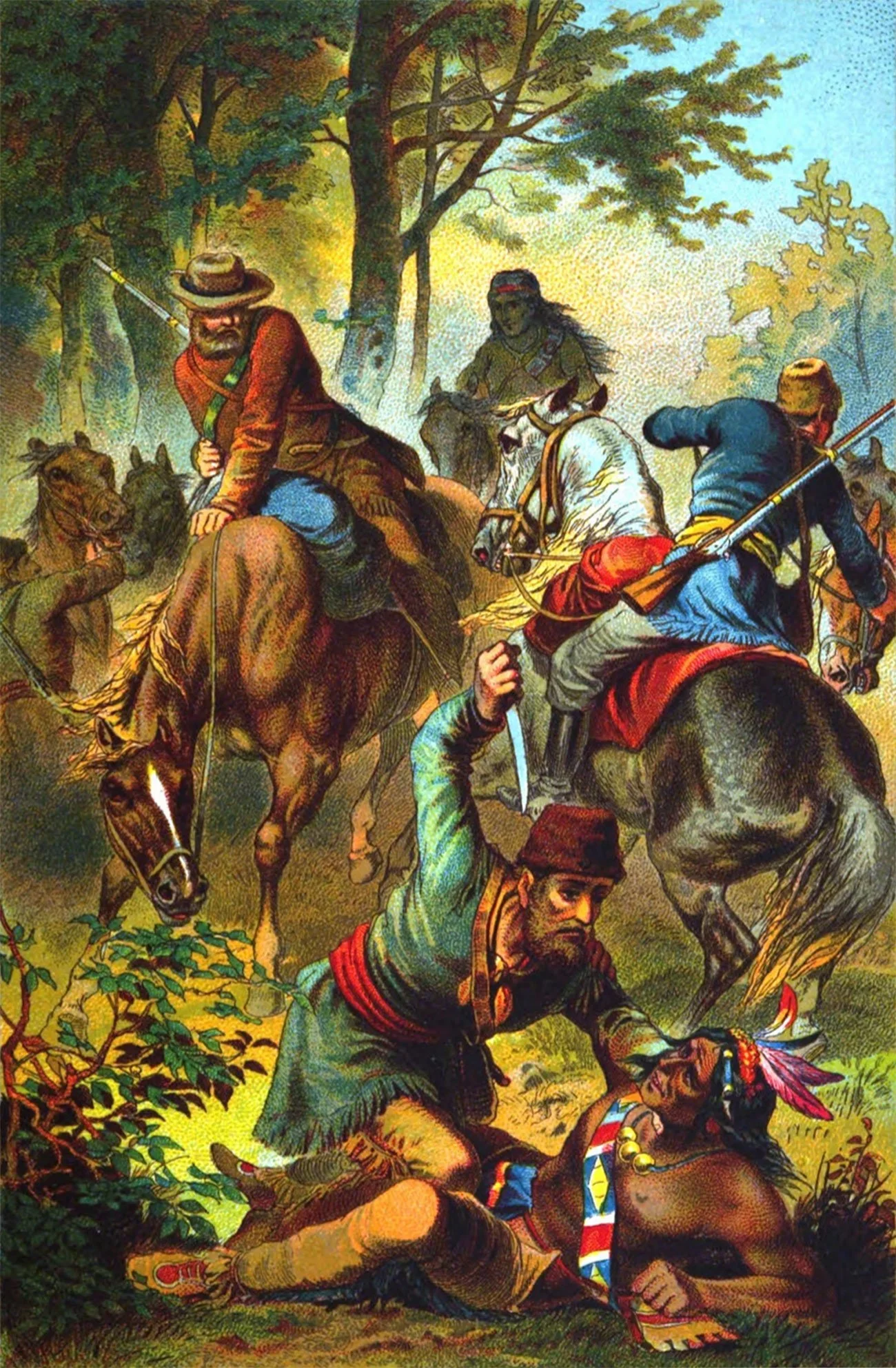
In the spring of 1754, the Ohio River Valley became the most contested stretch of land in North America. Both Britain and France claimed it, and neither was going to back down. Virginia's Lieutenant Governor Robert Dinwiddie sent militia to secure the Forks of the Ohio for British settlers and traders. When the French arrived, they forced the British out and built Fort Duquesne on the same spot. A few weeks later, George Washington and his Virginia militia, together with the Seneca leader Tanaghrisson, ambushed a French party at Jumonville Glen. By July, Washington had surrendered at Fort Necessity. Britain and France have not officially declared war, but the fighting has already started. This committee begins at that moment, and what happens next is up to the delegates.